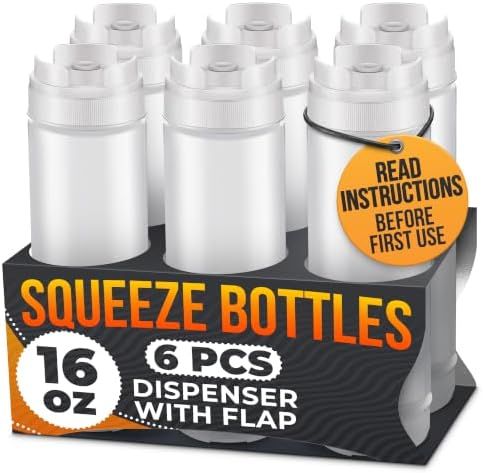
6-Pack Inverted Condiment Squeeze Bottles for Sauces 16 oz, Squirt Bottles
16 oz · 6 · Plastic
$19.99★ 3.2 / 2,158 ratings
The working side of the house
Every squeeze bottle we make, from a 4 oz plate bottle to a 36 oz griddle bottle, with the fill line, the tip bore and the cap type written down.
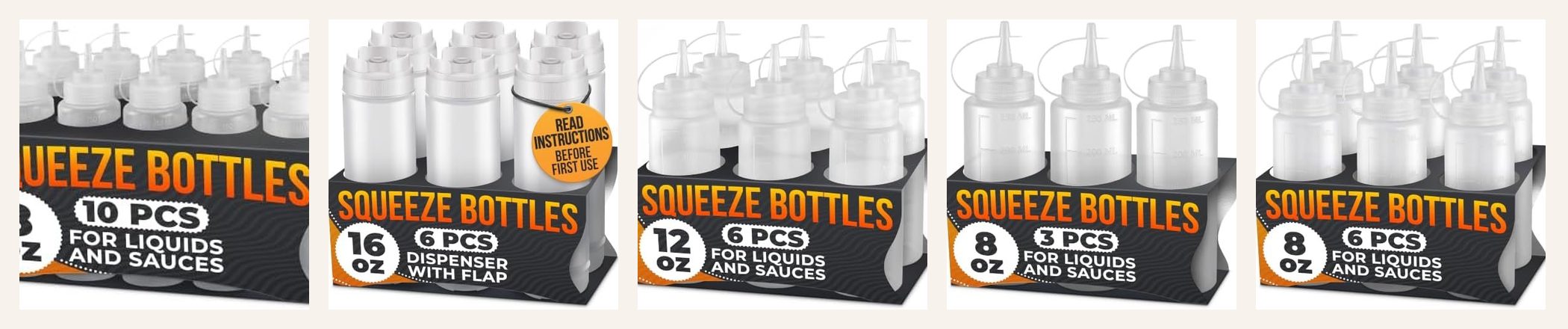
The sauce station is where we keep every condiment squeeze bottle BURIUS makes. It is the oldest part of the catalog and still the busiest, because a squeeze bottle is the one piece of kit that a home kitchen and a restaurant line agree on. Ketchup, mustard, aioli, honey, BBQ sauce, salad dressing, pancake batter, olive oil, a dessert coulis — all of it moves faster out of a plastic squeeze bottle than out of a jar with a spoon, and it lands where you aimed it.
All of our squeeze bottles are clear so you can read the level without opening the cap, and all of them are BPA-free food-safe LDPE. Clear plastic matters more than it sounds: a line cook does not want to lift twelve bottles to find the one with sauce left in it, and a cook at home does not want to discover an empty bottle halfway through plating. The bottle body stays soft after a thousand squeezes, which is the property that separates a refill bottle from a disposable one.
Plate work and a small fridge shelf. A 4 oz bottle is the one you hand to somebody decorating, because it is light enough to hold upside down for a minute without a sore wrist. Expect to refill it often; that is the trade.
The table bottle. Eight ounces is the size that holds enough ketchup for a family dinner and still fits a condiment caddy, and it is the pack most people buy first. Our 8 oz plastic squeeze bottles come in threes, sixes and tens.
The in-between size for a busy fridge door. Twelve ounces of dressing or oil lasts a week of salads without taking the shelf a 16 oz bottle needs. Narrow tip, tethered cap, same clear body.
The standard restaurant bottle. If you are stocking a griddle or a sandwich station, this is the sauce bottle to standardise on — it is the capacity the caddies, racks and bottle holders are all built around.
A long service without a refill. Twenty-four ounces is the point where the bottle starts to need two hands when it is full, so we fit a wider grip panel and keep the tip bore narrow for control.
The large squeeze bottle for a shift. At 36 oz — four and a half cups — one big bottle outlasts a 32 oz bottle by a useful margin. Wide mouth for filling and cleaning, narrow tip for dispensing.
16 oz · 6 · Plastic
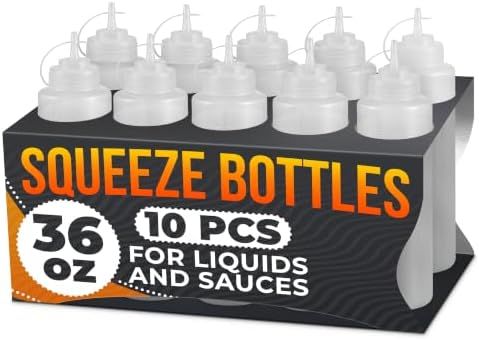
36 oz · 10 · Plastic
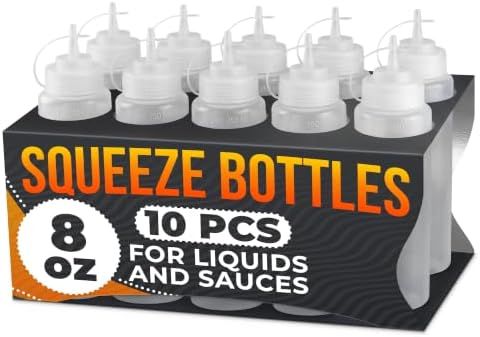
8 oz · 10 · Plastic
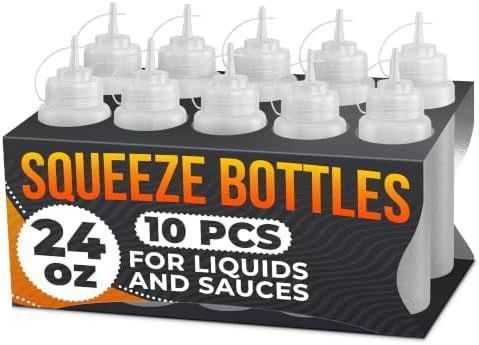
24 oz · 10 · Plastic
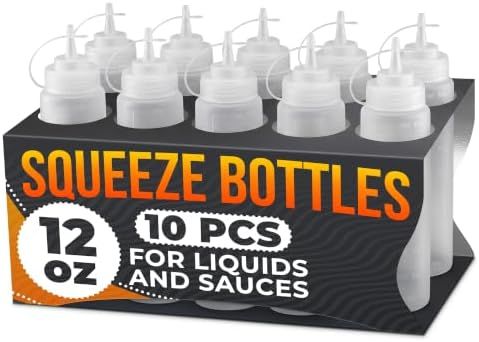
12 oz · 10 · Plastic
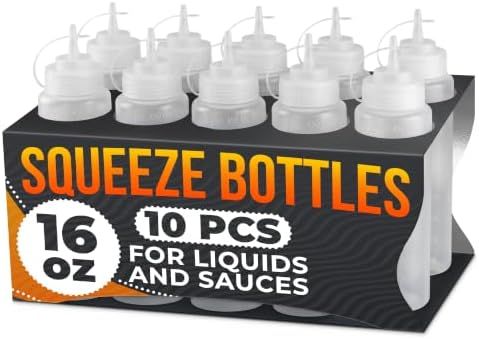
16 oz · 10 · Plastic
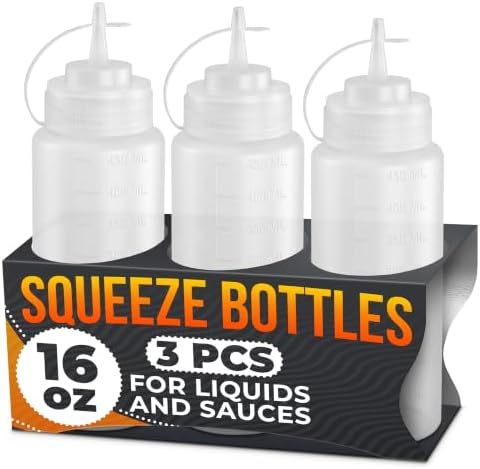
16 oz · 3 · Plastic
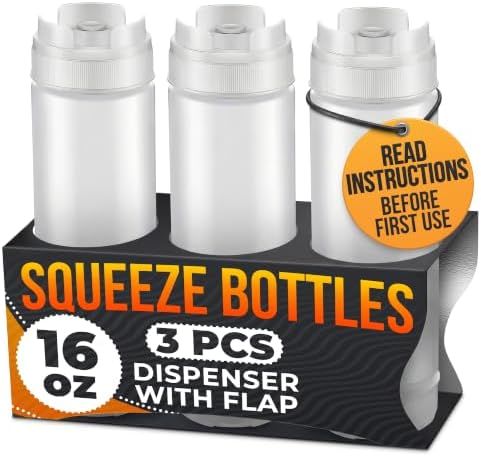
16 oz · 3 · Plastic
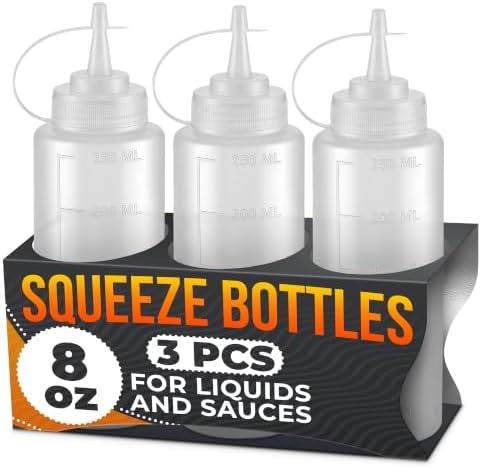
8 oz · 3 · Plastic
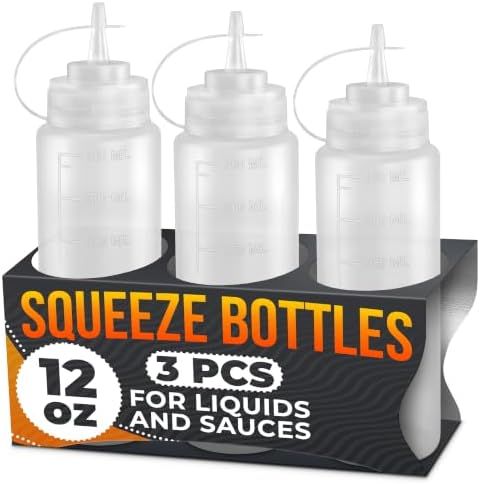
12 oz · 3 · Plastic
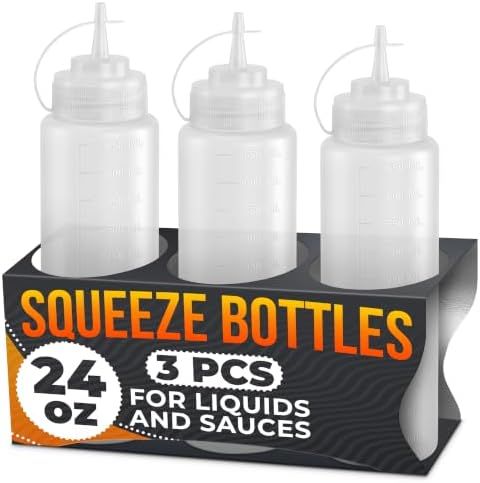
24 oz · 3 · Plastic
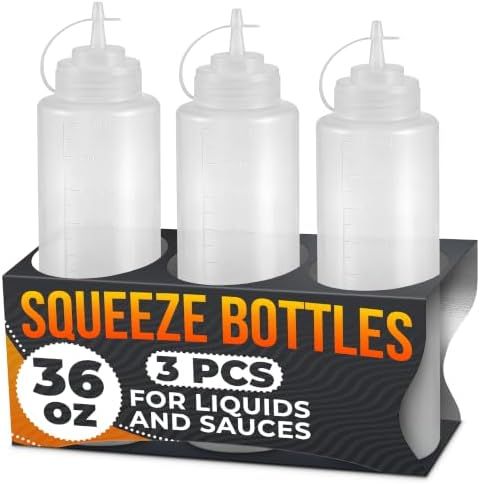
36 oz · 3 · Plastic
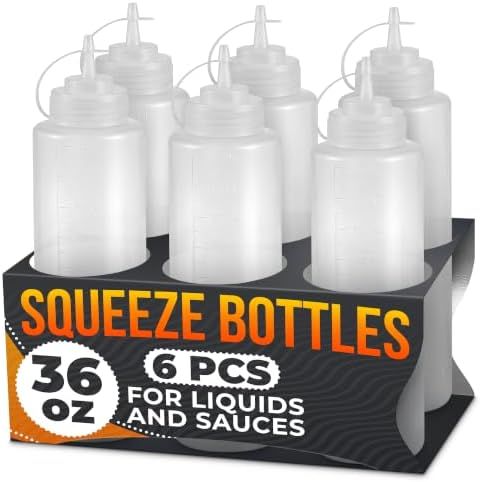
36 oz · 6 · Plastic
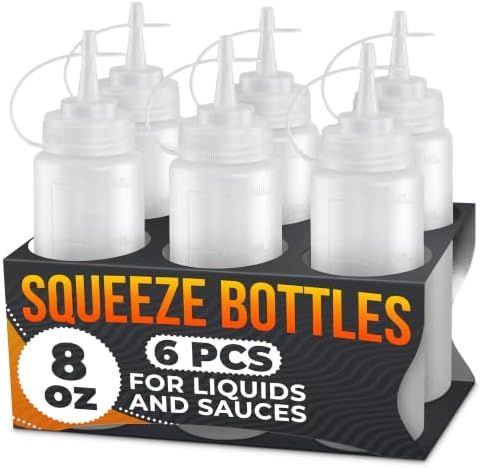
8 oz · 6 · Plastic
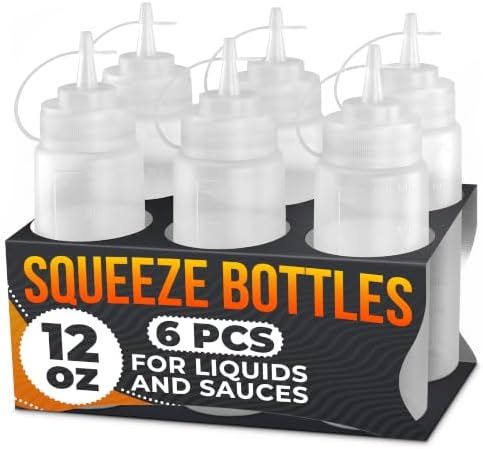
12 oz · 6 · Transparent
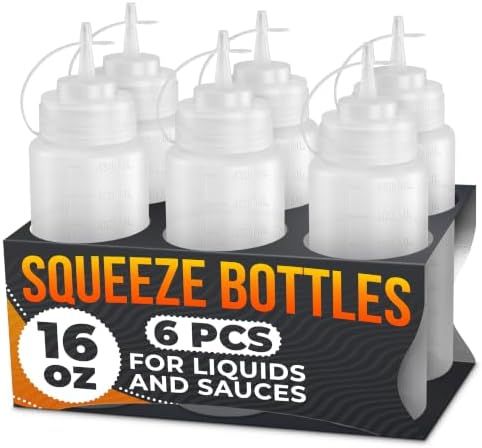
16 oz · 6 · Plastic
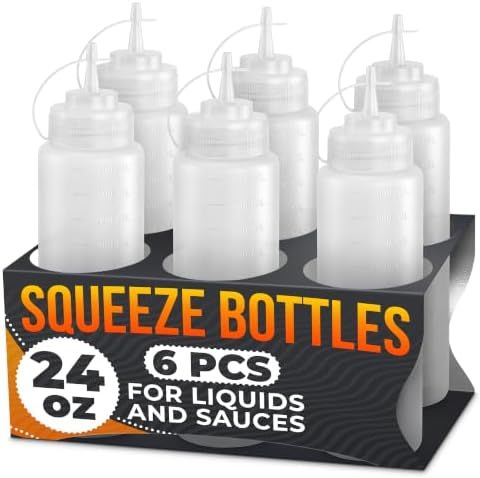
24 oz · 6 · Plastic
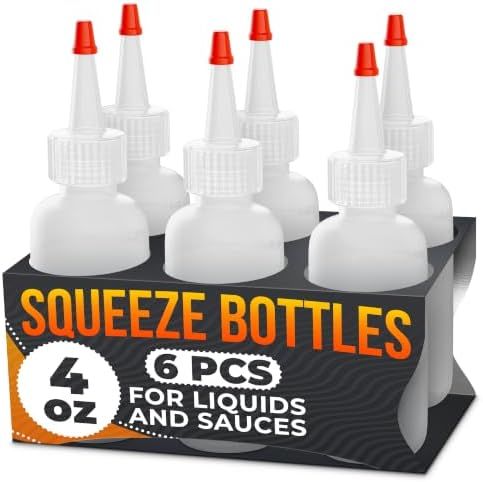
4 oz · 6 · Plastic
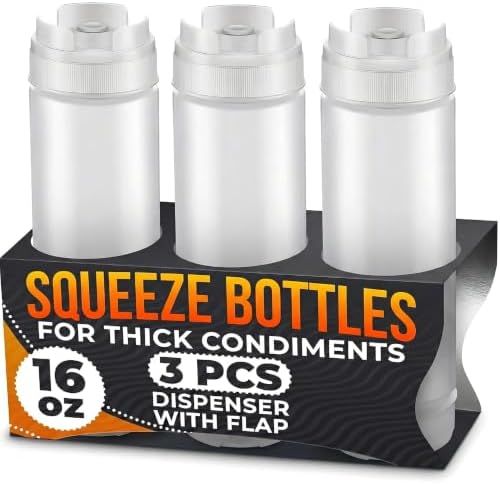
16 oz · 3 · Plastic
The one sized to how fast you use the sauce. A 16 oz clear plastic squeeze bottle with a narrow tip and a tethered cap covers most kitchens; drop to 8 oz for a table and go to 36 oz for a griddle. Capacity, not brand, is the decision that matters.
Condiment squeeze bottles, or squirt bottles — the restaurant term is a sauce bottle or a dispensing bottle. The ones that stand upside down are inverted bottles, and the cap holds a self-closing valve.
Every bottle on this page ships empty and refillable. Buy the capacity you need rather than a mixed pack, because a kitchen that standardises on one size can share caps and racks across the whole station.
Yes to both, at room temperature. Vinegar-based hot sauce, olive oil, soy, dressings and honey are all fine in food-safe LDPE. Do not fill a plastic squeeze bottle with anything straight off the heat — let it cool first, or the body will go soft and keep the dent.
Flush with warm water, run a bottle brush through the body, and soak the cap separately so the valve or the tip bore clears. Stand them upside down to dry. A bottle that is washed the day it empties will outlast three that are left to sit.